Author name: B2Bmagazine

Digital Transformation, Energy, Sustainability Trends

Digital Transformation in Energy: Enabling Sustainability

Digital technologies are transforming the energy sector, driving sustainability initiatives that optimize operations and reduce carbon footprints. Companies like BP and Chevron are employing AI-powered analytics to forecast energy demand, manage supply chains, and enhance renewable integration. The Internet of Things (IoT) plays a significant role in real-time monitoring and predictive maintenance of energy assets. Smart sensors installed on equipment provide data that helps prevent failures and improve efficiency, ensuring a more sustainable and reliable energy supply. Blockchain technology is also making its mark, particularly in renewable energy trading. Platforms like Energy Web Foundation enable peer-to-peer energy exchanges, ensuring transparency and eliminating intermediaries. This approach fosters the growth of localized, sustainable energy systems. Energy companies are leveraging digital twins—virtual replicas of physical assets—to simulate and optimize operations. These tools help identify inefficiencies and potential improvements, leading to reduced energy waste and emissions. By embracing digital transformation, the energy industry is positioning itself for a sustainable future. These innovations are not only cutting costs but also paving the way for a greener, more resilient energy system.


Green Energy
Energy, Sustainability Trends

The Rise of Green Hydrogen: A Sustainable Energy Game-Changer

Green hydrogen is emerging as a cornerstone of sustainability in the energy sector, with its ability to provide a zero-emission fuel alternative. Produced through water electrolysis powered by renewable sources like wind and solar, it’s an attractive option for decarbonizing industries and transportation. Companies such as Shell and Siemens Energy are spearheading projects to harness this potential. One of the most promising uses of green hydrogen is in heavy industries like steel and cement manufacturing. These sectors are traditionally carbon-intensive but can significantly cut emissions by switching to hydrogen-based energy systems. Moreover, hydrogen fuel cells are providing clean energy solutions for vehicles, reducing transportation’s carbon footprint. Challenges remain, primarily concerning the high cost of production and the infrastructure needed for distribution. However, technological advancements in electrolysis and economies of scale are rapidly bringing green hydrogen closer to mainstream adoption. Government policies and incentives, particularly in Europe and the United States, are also accelerating its development. Green hydrogen’s versatility extends to energy storage, acting as a buffer for renewable energy systems during off-peak production times. This feature ensures a reliable energy supply, addressing one of the key challenges of renewables. As global energy giants and startups alike invest in green hydrogen, its role in a sustainable future becomes increasingly evident. With the right support, it could revolutionize the way we think about energy production and consumption.

Blockchain's Potential Renewable Energy
Blockchain & Web3, Energy, Renewable Energy

Blockchain’s Potential in Renewable Energy Marketplaces

Blockchain is emerging as a game-changer in the renewable energy sector by creating transparent and decentralized energy marketplaces. By leveraging this technology, companies like Energy Web Foundation enable secure and efficient energy transactions between producers and consumers. In renewable energy, blockchain facilitates peer-to-peer energy trading. Homeowners with surplus solar energy can sell it directly to their neighbors through blockchain platforms, bypassing traditional utility companies. This decentralization empowers communities and promotes the adoption of renewable solutions. Smart contracts, a feature of blockchain, are automating processes like energy billing and compliance. These contracts ensure transparency and reduce administrative costs, benefiting both energy producers and consumers. Blockchain also enhances renewable energy certificates (RECs) by ensuring accurate tracking and verification. Firms such as IBM Blockchain are collaborating with energy companies to offer tamper-proof certification systems, boosting consumer trust in green energy claims. The adoption of blockchain in renewable energy underscores its potential to create efficient, transparent, and inclusive energy systems, fostering a global transition to sustainable practices.

Renewable Energy Optimization
Energy, IoT, Renewable Energy

The Role of IoT in Renewable Energy Optimization

The Internet of Things (IoT) is playing a transformative role in the renewable energy sector, enabling smart and efficient management of energy systems. IoT devices, such as sensors and smart meters, provide real-time data from solar panels, wind turbines, and hydroelectric plants, ensuring optimal performance and maintenance. Companies like GE Renewable Energy are utilizing IoT-powered predictive analytics to reduce downtime and extend equipment lifespan. These systems alert operators to potential issues before they become critical, saving costs and resources. Energy management platforms powered by IoT, such as those developed by Schneider Electric, allow businesses to monitor energy consumption and optimize usage. This technology is vital for integrating renewables into smart grids, ensuring reliable energy distribution. IoT is also enabling remote monitoring of renewable installations in inaccessible locations. For example, wind farms in remote areas use IoT devices for maintenance and performance analytics without requiring on-site technicians. As IoT continues to evolve, its role in renewable energy will grow, driving efficiency, lowering costs, and supporting the transition to sustainable energy systems.

Renewable Energy Management
Energy, Renewable Energy

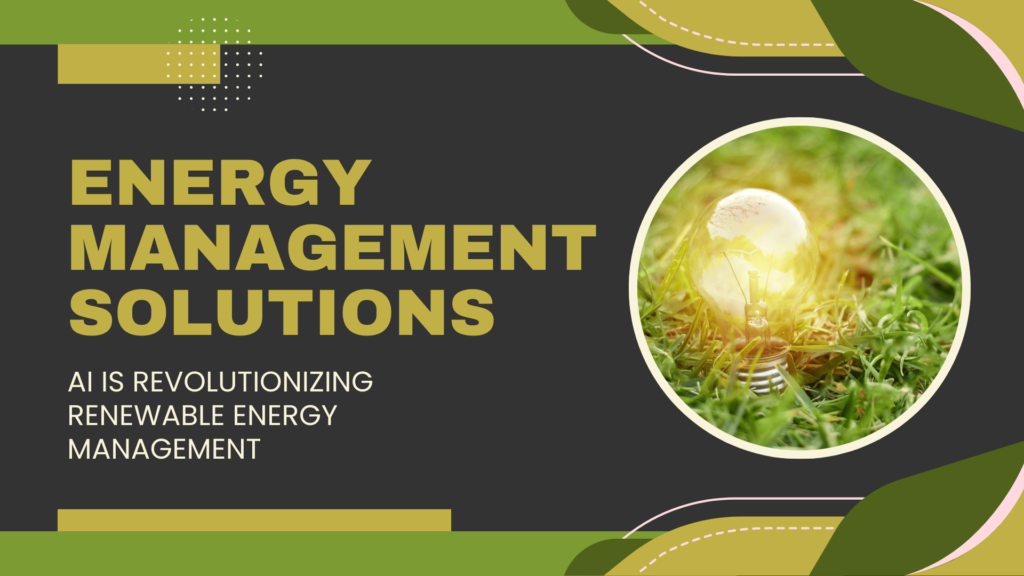
How AI is Revolutionizing Renewable Energy Management

Artificial intelligence (AI) is becoming a cornerstone in the renewable energy sector, driving efficiencies and innovation. Companies like Siemens Gamesa are deploying AI to forecast weather patterns, optimizing wind turbine operations for maximum output. Similarly, solar farms utilize AI algorithms to predict energy generation and manage grid distribution. Energy storage systems are also benefiting from AI. Platforms such as Tesla’s Powerwall use machine learning to improve battery efficiency and predict energy demands. These advancements ensure seamless energy supply, even during fluctuating conditions. Blockchain technology is another tech innovation reshaping renewables. It enables decentralized energy trading, allowing businesses and individuals to buy and sell excess power securely. Companies like Power Ledger are leading in this domain, fostering a peer-to-peer energy marketplace. Digital twins, virtual replicas of renewable energy assets, are being used to simulate performance and optimize designs. These tools, supported by platforms like Microsoft Azure, ensure improved reliability and cost savings. The integration of AI and related technologies is not only boosting efficiency but also accelerating the transition to a more sustainable, tech-driven energy ecosystem.

Digital Innovations Oil & Gas
Digital Transformation, Energy, Oil & Gas

Digital Innovations Driving the Future of Oil and Gas

Digital technologies are redefining the oil and gas industry, making processes more efficient and environmentally friendly. Cloud computing platforms like AWS and Google Cloud are enabling seamless data integration and analytics, facilitating smarter decision-making across the value chain. Edge computing is gaining prominence, allowing data processing directly at oilfield sites. This technology reduces latency and improves operational responsiveness, ensuring better management of remote assets. Companies like Schlumberger are integrating edge devices into their operations for enhanced efficiency. The industry is also embracing automation and robotics. Automated drilling systems, powered by AI, are improving precision and reducing costs. Meanwhile, autonomous drones are being used for pipeline monitoring and environmental assessments, offering safer and more cost-effective alternatives. As sustainability becomes a priority, technologies like carbon capture and storage (CCS) are gaining traction. Firms such as TotalEnergies are deploying CCS systems to reduce greenhouse gas emissions, contributing to a cleaner environment. These advancements demonstrate the potential of technology to drive innovation in oil and gas, helping the industry adapt to modern challenges while maintaining its crucial role in the global energy landscape.

Advancing Technology In Oil & Gas
Energy, Oil & Gas

Advancing Technology in the Oil and Gas Sector

The oil and gas industry is leveraging cutting-edge technology to enhance operational efficiency and sustainability. Technologies such as IoT, AI, and blockchain are transforming traditional processes, enabling companies like ExxonMobil and Chevron to optimize production and reduce environmental impact. IoT sensors provide real-time data from rigs, pipelines, and refineries, ensuring predictive maintenance and reducing downtime. AI and machine learning are being used for geological analysis, enhancing exploration accuracy. Shell, for instance, employs AI to analyze seismic data, streamlining reserve identification. Meanwhile, blockchain is revolutionizing supply chains, offering secure and transparent tracking for materials and transactions. Automation tools are enhancing workplace safety by deploying drones for pipeline inspections and using robotic systems for hazardous tasks. Companies such as BP are increasingly incorporating these innovations, minimizing risks to human workers. The push towards renewable energy sources has also introduced hybrid systems powered by wind and solar energy. Platforms like Microsoft Azure are enabling seamless integration of renewables, further advancing the sector’s green initiatives. As these technologies mature, the oil and gas industry is poised to evolve into a high-tech, sustainable sector, meeting global energy demands while addressing environmental concerns.

Oil & Gas Sector
Energy, Oil & Gas

Digital Transformation in the Oil & Gas Sector

The oil and gas industry is undergoing a profound digital transformation as companies adopt advanced technologies to enhance efficiency, safety, and sustainability. Major players such as BP and ExxonMobil are integrating Internet of Things (IoT) devices to monitor assets in real time, enabling predictive maintenance and reducing equipment downtime. These IoT-powered systems are reshaping operations by providing data-driven insights and automating routine processes. AI and machine learning are also making waves in exploration and production. For example, Shell uses AI-driven algorithms to analyze seismic data, significantly improving the accuracy of locating potential reserves. These tools help companies reduce the time and cost associated with exploration, ensuring optimized resource allocation. Blockchain technology is revolutionizing supply chain transparency in the sector. Energy giants like Chevron are using blockchain to track the journey of fuel from extraction to the consumer, ensuring secure, tamper-proof record-keeping. This not only builds trust but also simplifies compliance with environmental regulations and standards. Sustainability initiatives are increasingly influencing the industry’s direction. Many oil and gas firms, including TotalEnergies, are investing in hybrid energy models that combine traditional fossil fuels with renewable resources. Digital platforms are playing a crucial role in tracking emissions and managing carbon offsets, enabling companies to meet global environmental targets. Workforce development is also a priority, with AR/VR training programs offering immersive simulations for rig operations and emergency scenarios. These technologies prepare employees for complex tasks while minimizing on-site risks. Together, these innovations are driving a smarter, safer, and more sustainable future for the oil and gas industry.

Productivity Trends 2025
Business, Productivity Tools

Top Productivity Trends Businesses Need to Watch In 2025

As 2025 approaches, businesses are set to embrace transformative productivity trends driven by technological advancements and evolving workplace dynamics. One major trend is the rise of hyper-personalized productivity tools, where AI algorithms tailor workflows to individual employee preferences. Tools like Monday.com and Asana are expected to enhance user experience by delivering customized task priorities and deadline suggestions based on past performance. Another key development is the integration of immersive technology, such as augmented and virtual reality (AR/VR). Companies like Meta and Microsoft are pioneering solutions that make remote collaboration more interactive, allowing teams to engage in virtual environments for brainstorming and training. This shift promises to make hybrid work models even more effective by mimicking in-office interactions. The focus on mental health and well-being is also reshaping productivity strategies. Platforms like Calm for Business and Headspace for Work are gaining traction, integrating wellness programs directly into daily workflows. Employers are increasingly adopting tools that encourage regular breaks, mindfulness, and stress management to maintain employee performance. Another game-changing trend is the incorporation of blockchain technology for enhanced project transparency and accountability. Tools leveraging blockchain ensure secure tracking of tasks, approvals, and milestones, reducing disputes and improving trust in collaborative efforts. This is particularly impactful for industries with complex supply chains or high compliance requirements. Finally, data-driven decision-making is reaching new heights. Platforms like HubSpot and Zoho Analytics are expanding their capabilities, enabling businesses to extract actionable insights from operational data in real time. These trends are setting the stage for a productivity revolution, helping businesses streamline processes and achieve sustainable growth in 2025 and beyond.

Productivity Tools 2024
Business, Productivity Tools

Collaboration Tools Driving Team Productivity In 2024

Collaboration tools are revolutionizing workplace dynamics in 2024, enabling teams to work cohesively across locations and time zones. Platforms like Dropbox have redefined file-sharing with real-time collaborative editing and integrated commenting, fostering efficient teamwork on shared projects. Hybrid work environments have driven innovations in tools like Microsoft Teams and Zoom, which now include virtual whiteboards and breakout rooms for brainstorming sessions. These features ensure that remote and in-office employees can collaborate without missing a beat, maintaining productivity regardless of physical location. Startups like Miro are gaining traction with their intuitive design for visual collaboration, making them popular among creative teams. Their platforms offer easy-to-use templates and frameworks, streamlining ideation and project planning. These tools are ideal for brainstorming, especially in industries that rely heavily on visual communication. Integration capabilities are another key focus in 2024. For instance, ClickUp connects project management workflows directly with communication platforms, allowing seamless transitions from task discussions to execution. This eliminates the silos that often hinder productivity in larger organizations. By leveraging these advanced collaboration tools, businesses are not only improving team connectivity but also fostering innovation and creativity, which are essential in today’s fast-paced work environment.

Scroll to Top